


Understanding some of the most common freight shipping acronyms related to logistics and transportation will assist you in tackling quotes and shipping contracts with confidence. We have collated some of the most common freight terms that you will see here on Truckit.net when discussing your freight listing with one of our Transport Providers & Customer Support Staff.
Owner Operator
Freight Broker/Agent
A Freight broker is an agent between shippers and carriers. Instead of taking possession of the freight, the broker facilitates communication between the shipper and the carrier. They’re the ones making sure the handoff goes smoothly between carriers and shippers, and that freight arrives safely & on time.
Some shippers like working with freight brokers because they have a single point of contact from point A to point B while their freight moves to its destination. Working with a broker can eliminate the need to negotiate with a carrier, planning routes, and tracking freight. Some carriers also like working with freight brokers to optimise their routes and minimise dead kilometers, boosting their earnings in less time.
Cubic Weight
Also known as Volumetric Weight, and is a pricing technique for commercial freight transport which assigns a weight based on the volume of an item. For example, many pallet carriers use the cubic weight conversion of 1m3 = 333kg. Even though an item may only weigh 4kg, due to its size, it may be 15kg of cubic weight. For example, a large blanket might be relatively light, but large in size.
Door to Door / Depot to Depot
Single Transit Insurance
Consignee/Consignor
Consignment Note
Flatbed
A flatbed trailer is a typical open deck trailer that has no roof nor sides. It is mainly used for transporting heavy, oversized, wide and indelicate goods such as machinery, building supplies or equipment. The flatly shaped body makes it much easier to load and unload goods using ramps or lifting equipment.
Surcharges
A surcharge is an extra fee charged by a company to cover costs of one form or another. One example is a payment surcharge which may be charged by some merchants when a customer elects to pay by cheque, credit card, charge card or debit card. This covers the merchant’s costs (usually bank costs) of accepting this payment.
Other types of charges:
Dangerous Goods
CAR SPECIFIC:
Auction House
Salvage Yard
Drivable
Goods in Car
Driven Service

Due to the ongoing volatility in fuel prices, Truckit is clarifying our stance on price adjustments. While our core policy remains that quotes should be all-inclusive, we recognise that rapid fluctuations in operating costs can occasionally necessitate a post-booking fuel levy. To be clear, the fundamental way you quote on Truckit isn’t changing: you should still aim to incorporate all anticipated fees, charges, and overheads into your initial quote. We are simply being more tolerant of price adjustments made after a booking has occurred, provided they are strictly related to fuel costs and are handled with total transparency. The most […]
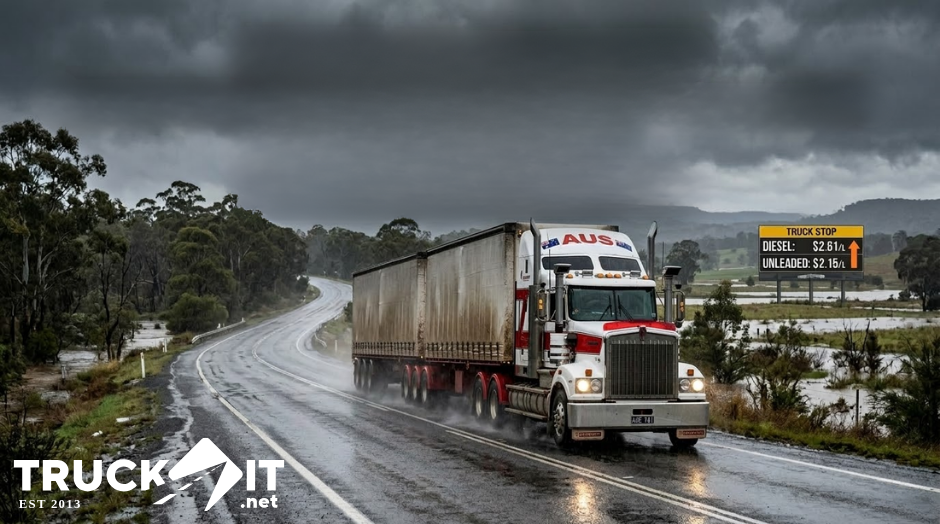
The Australian transport and logistics sector is currently facing a period of significant disruption. A combination of escalating operational costs and severe weather events has created a challenging environment for both transport providers and customers. To ensure transparency and help you manage your upcoming transport requirements, we would like to provide an overview of the factors currently influencing the market. Fuel Volatility and Supply Constraints The rising cost of fuel remains a primary driver of price adjustments across the industry. Beyond the increase in per-litre costs, sporadic fuel shortages in specific regions have added a layer of complexity to route […]
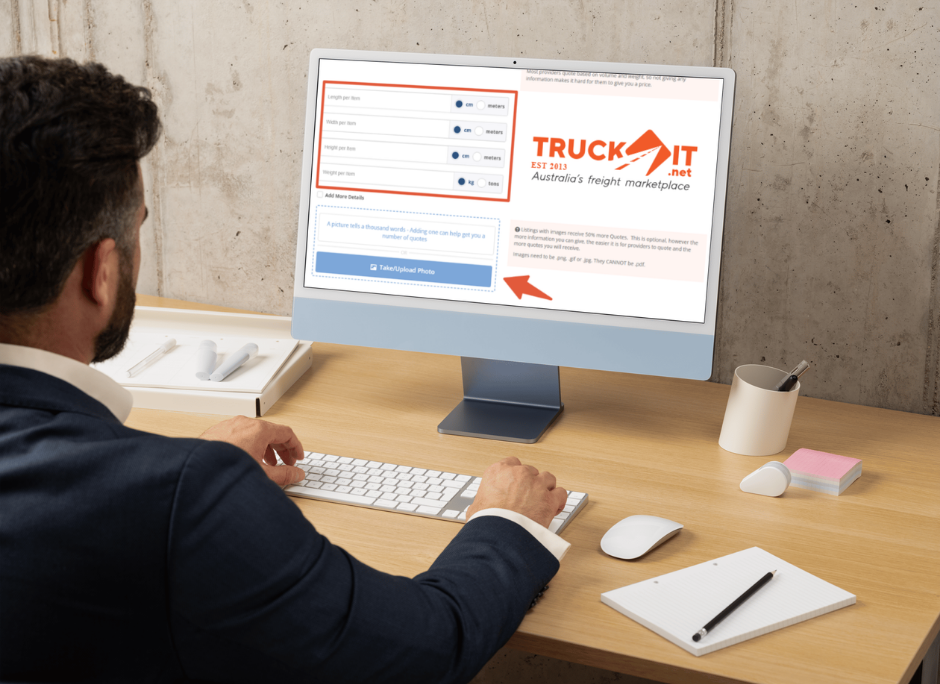
Shipping freight shouldn't be a gamble. In Australia, securing the best price isn't about picking the cheapest option—it’s about accuracy and transparency. Maximising value with Truckit.net starts with an accurate listing. By providing precise dimensions, clear photos, and flexible timing, you avoid surcharges and unlock competitive rates. Choosing the right service model, like depot-to-depot, can also significantly slash costs compared to standard deliveries. Finally, disclosing site constraints upfront ensures providers arrive with the correct equipment, eliminating futile trip fees. The following guide breaks down these four essential strategies to streamline your logistics and protect your budget. 1. Accuracy Saves You […]
