


When moving long distances, proper organisation and care can ensure a seamless journey for both you and your beloved furniture. As the moving process can be turbulent, proper care is essential to ensure your furniture doesn’t end up damaged or lost throughout the journey.
From packing to planning, we’ve collected everything you need to move your furniture quickly and safely, at a minimal cost.
It's important to start your moving process by making a thorough list of everything you need to move. This includes not just large pieces of furniture, but also smaller household items and any decorations or knick-knacks you want to bring with you. Having a list of inventory will help you keep track of everything and ensure that nothing is left behind. It's also a good idea to take inventory of all your belongings, including any valuable items that you may want to insure.
Before you start packing, it's a good idea to consider the layout of your new home and measure doorways, stairwells, and other spaces to make sure your furniture will fit. This is especially important for larger pieces, as you may need to disassemble them in order to get them through tight spaces. If you're hiring a professional moving company, they will typically be able to handle this for you, but it's always a good idea to be prepared. If you're moving into a smaller space, you may need to sell or donate some of your larger furniture pieces or find a storage solution.
When it comes to packing your furniture, it's important to use appropriate materials for protection during the move. This includes bubble wrap for delicate items and surfaces, furniture pads to prevent scratches and dents and stretch wrap to keep everything in place. When packing large items, make sure to secure drawers and doors with tape to prevent them from opening during transport.
When possible, it’s best to remove any items that are attached to the furniture, such as mirrors or lamps, and pack them separately. If you're using a professional moving company, they will likely provide most of the necessary packing materials, but it's always a good idea to have some extra on hand just in case.
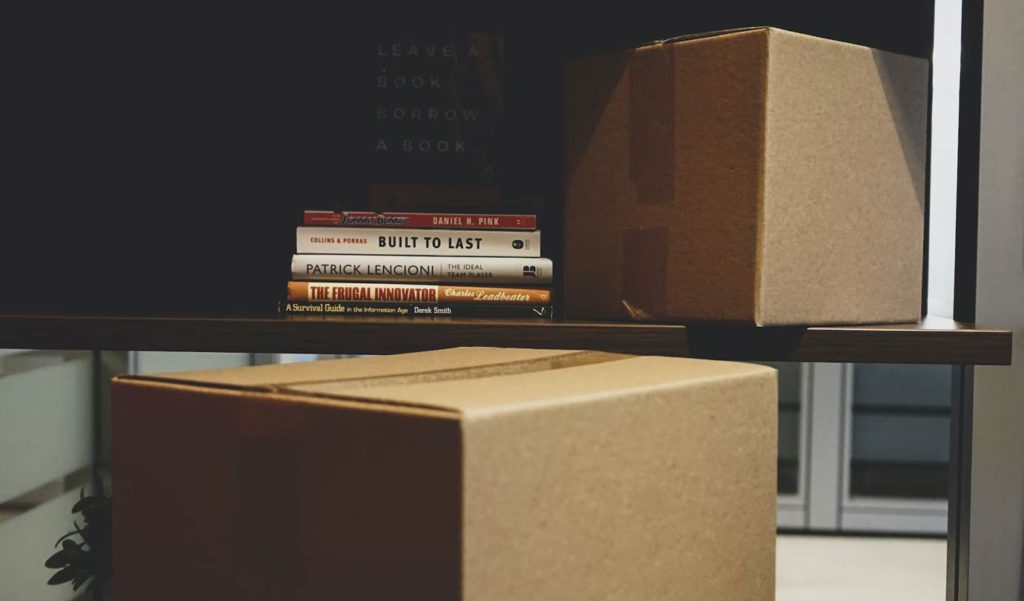
Labelling your boxes and furniture is also essential for a seamless move. This will make unpacking easier as you and your moving company can unload items directly where they belong. Clearly mark each box with the room it belongs in, as well as any special instructions.If you're hiring a moving company, they may provide their own labels, but it's always a good idea to double-check and make sure everything is clearly marked. It's also a good idea to label any boxes containing fragile items or items that need to be handled with care.
In addition to packing and labelling your belongings, you may also want to consider using insurance to protect your furniture and other valuable items during the move. This can give you peace of mind in case of any accidents or damage during transport. Moving insurance typically covers the cost of repairing or replacing damaged items, and it can provide a sense of security and protection during what can be a stressful time.
If you want to make your move as seamless as possible, consider hiring a professional moving company. They have the experience and equipment to safely transport your furniture and household items to your new home and can save you the stress and headaches of doing it yourself. When choosing a moving company, make sure to do your research and choose a reputable company with good reviews and a proven track record.
Collect multiple quotes from different companies and be sure to ask about any hidden fees or surcharges that may not be included in the initial estimate. With the right planning and preparation, moving long distances with your furniture can be a smooth and stress-free experience.
Moving long distances with furniture can be a daunting task, but with the right preparation and planning, it can be done smoothly and stress-free. If you're looking for a reliable and professional moving company to help with your relocation, be sure to check the TruckIt.net network. Collect quotes, browse providers and connect with moving companies all across an easy-to-use interface. For more information, contact us to learn more about how we can assist with your move.

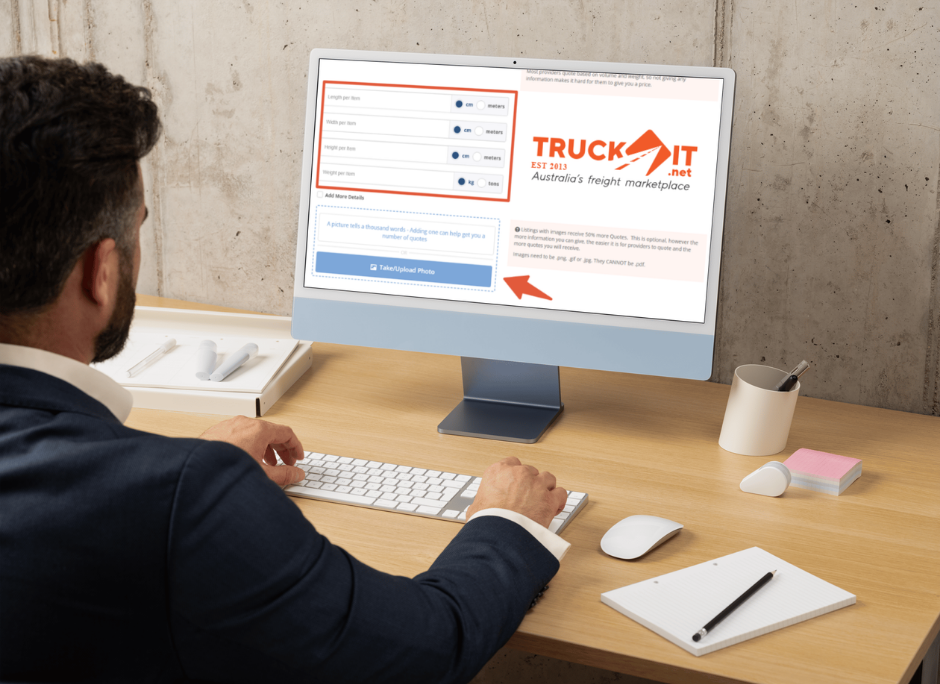
Shipping freight shouldn't be a gamble. In Australia, securing the best price isn't about picking the cheapest option—it’s about accuracy and transparency. Maximising value with Truckit.net starts with an accurate listing. By providing precise dimensions, clear photos, and flexible timing, you avoid surcharges and unlock competitive rates. Choosing the right service model, like depot-to-depot, can also significantly slash costs compared to standard deliveries. Finally, disclosing site constraints upfront ensures providers arrive with the correct equipment, eliminating futile trip fees. The following guide breaks down these four essential strategies to streamline your logistics and protect your budget. 1. Accuracy Saves You […]
As we wrap up 2025, I wanted to share some exciting updates on what we’ve been building to help your business grow and make your time on the road more profitable. Here is a look at what’s new and what you can expect in early 2026. What’s New (and What’s Coming Next) 🌐 API Integrations = More Leads We are now integrating with several external websites to direct even more traffic straight to Truckit. ⚡ ‘Book Now’ for the Furniture Category We’ve expanded our "Book Now" feature to the furniture category for our premium business customers. 🚀 Launching in 2026: […]
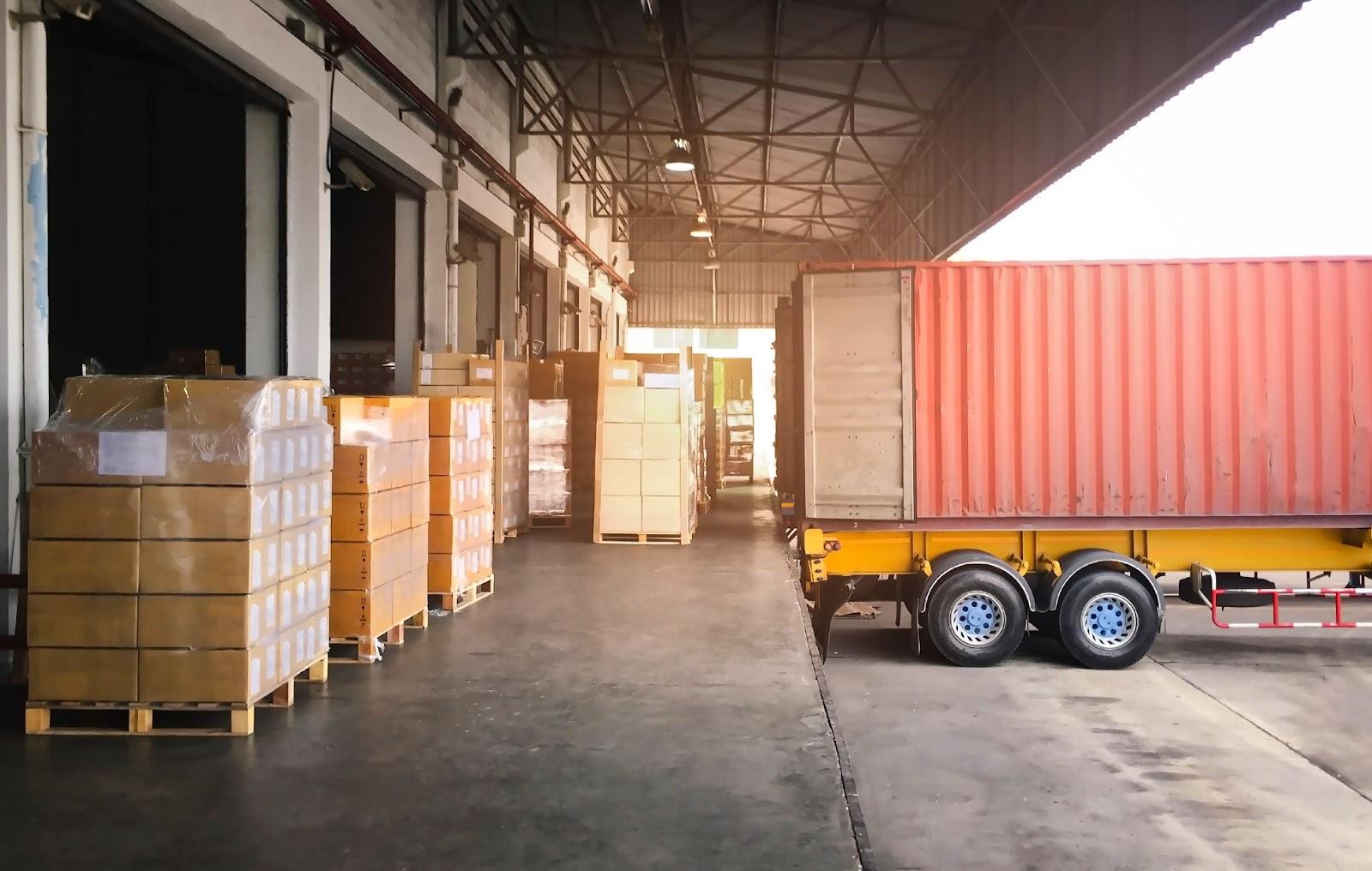
Key Takeaways Pallets might not be flashy, but they’re the backbone of freight and logistics. Whether you’re sending one item or a full truckload, chances are a pallet is doing the heavy lifting behind the scenes. But here’s the thing – not all pallets are the same. Pallet size, weight, and capacity can seriously impact how efficiently your goods are moved and how much it’s all going to cost. That’s why getting familiar with pallet dimensions isn’t just for warehouse professionals – it’s something every business (big or small) should know. A poor fit can mean wasted space, damaged goods, […]
