


As of 11:59pm Sunday 5th April 2020 Western Australia has now closed its borders to everybody except exempted travellers.
Exempt traveller means a person who falls into one or more of the following categories and complies with any specified terms or conditions:
(g)Transport, freight and logistics: any person (other than an airline or maritime crew member) who in the course of the person's duties is responsible for the provision of transport or freight and logistics services into or out of Western Australia for only as long as is reasonable required to perform those duties.
IMPORTANT: All exempted travellers (including transport, freight and logistics workers) must submit a 'Request for Approval as an Exempt Traveller' and carry the associated paperwork.

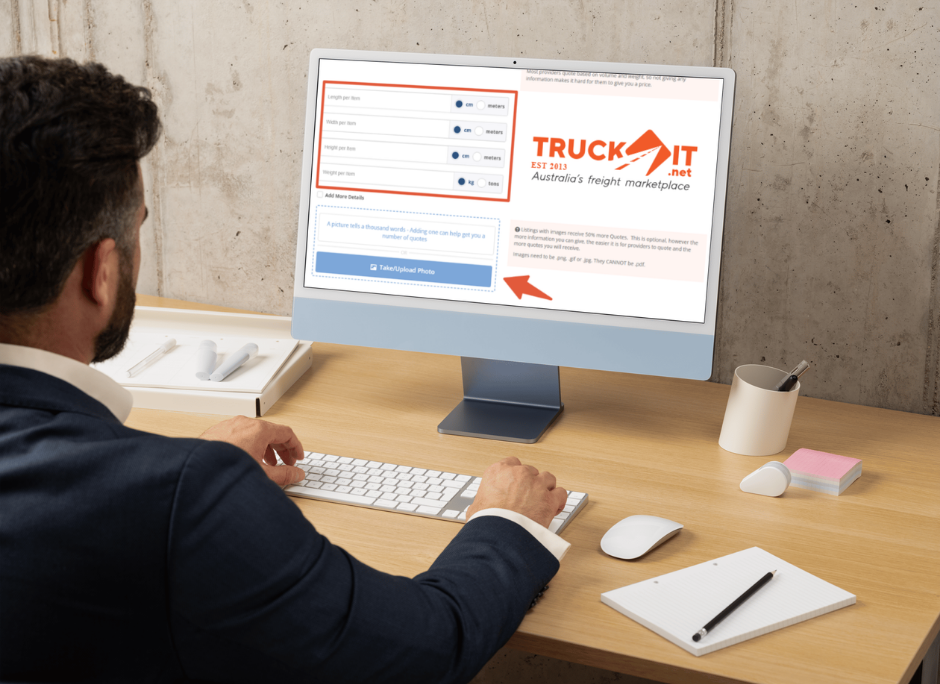
Shipping freight shouldn't be a gamble. In Australia, securing the best price isn't about picking the cheapest option—it’s about accuracy and transparency. Maximising value with Truckit.net starts with an accurate listing. By providing precise dimensions, clear photos, and flexible timing, you avoid surcharges and unlock competitive rates. Choosing the right service model, like depot-to-depot, can also significantly slash costs compared to standard deliveries. Finally, disclosing site constraints upfront ensures providers arrive with the correct equipment, eliminating futile trip fees. The following guide breaks down these four essential strategies to streamline your logistics and protect your budget. 1. Accuracy Saves You […]

As we wrap up 2025, I wanted to share some exciting updates on what we’ve been building to help your business grow and make your time on the road more profitable. Here is a look at what’s new and what you can expect in early 2026. What’s New (and What’s Coming Next) 🌐 API Integrations = More Leads We are now integrating with several external websites to direct even more traffic straight to Truckit. ⚡ ‘Book Now’ for the Furniture Category We’ve expanded our "Book Now" feature to the furniture category for our premium business customers. 🚀 Launching in 2026: […]
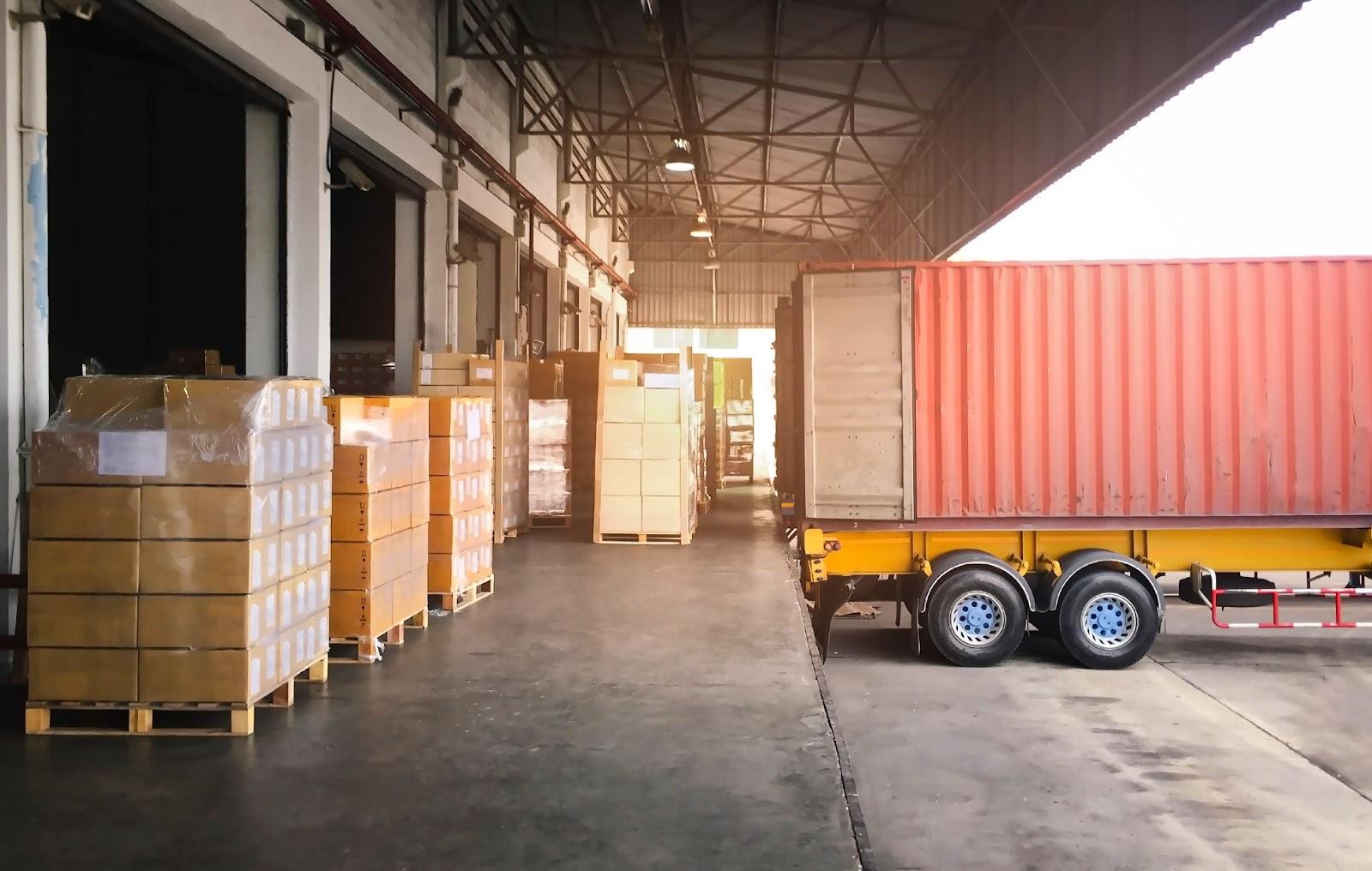
Key Takeaways Pallets might not be flashy, but they’re the backbone of freight and logistics. Whether you’re sending one item or a full truckload, chances are a pallet is doing the heavy lifting behind the scenes. But here’s the thing – not all pallets are the same. Pallet size, weight, and capacity can seriously impact how efficiently your goods are moved and how much it’s all going to cost. That’s why getting familiar with pallet dimensions isn’t just for warehouse professionals – it’s something every business (big or small) should know. A poor fit can mean wasted space, damaged goods, […]
