


Almost every truck driver has an idea on the best way to conserve fuel. Some methods are tried and true, others work for some and not for others. Nevertheless, saving fuel is an important part of being a driver or business owner. It is no secret that fuel is the No. 1 expense when driving a truck.
We’ve compiled 6 of the most common tried and true ways that drivers have improved their fuel economy so you don’t have to.
More than any other habit, excessive speeding burns the most fuel, and also causes more significant wear and tear. This is because when a driver is following the vehicle in front of them at an unsafe distance, they brake and accelerate excessively to avoid tailgating and collisions. Increasing speed from 90km/h to 105km/h can raise fuel consumption by as much as 15%. Additionally, watch your driving style and reduce speed changes as regular speed changes cause the engine to switch gears inefficiently, resulting in a spike in RPM and a surge in fuel consumption.
If you don’t trust yourself in picking up on these habits, there are cameras you can purchase and install in your truck that track these habits for you, identifies them, and notifies you so you can work on them. One example of this camera would be Driver Risk’s Lytx DriveCam vehicle tracking device.
2. Tracking your Fuel Consumption
There are many great apps on the market to assist you in managing your vehicle's fuel economy. We recently wrote a blog: Useful apps for Truckers, where we mention an app called Fuelly. Fuelly is a great app if you are a driver who avidly check’s the vehicle's performance and maintenance. This app tracks your petrol use and compares results over time to show you whether or not your vehicle is performing at its best, and if your fuel consumption has changed. To read more about this app and its other features, check out the blog here.
3. Reduce your Idle Time
There is a common misconception that idling is more fuel-efficient than restarting the engine. In fact, idling a truck for just 10 seconds requires more fuel than starting the engine. Reducing your idling also saves unnecessary carbon dioxide emissions as well as reducing your fuel costs.
4. Tyres
Under inflated tyres can exert a serious impact on fuel consumption. According to the National Highway Traffic Safety Administration (NHTSA), a 10% reduction in recommended tyre pressure can reduce fuel efficiency by 2%.
5. Use the Most Efficient Routes
We think this goes without saying, but ensuring you’re taking the most efficient routes is essential to improving the average fuel economy of your fleet. Pre-plan your route, plan where you are stopping and where the cheapest fuel is will assist you in cutting your costs.
6. Maintenance
Regular maintenance is essential for ensuring the longevity of your vehicle and making sure it is operating at maximum efficiency. If you don’t stay on top of maintenance, the excessive wear of your vehicle can produce more expensive costs than the price for a tank of fuel.
Make this a priority!
If you have any other tips we have missed, comment them below!
Find your next job here, with Truckit: https://www.truckit.net/search-for-jobs

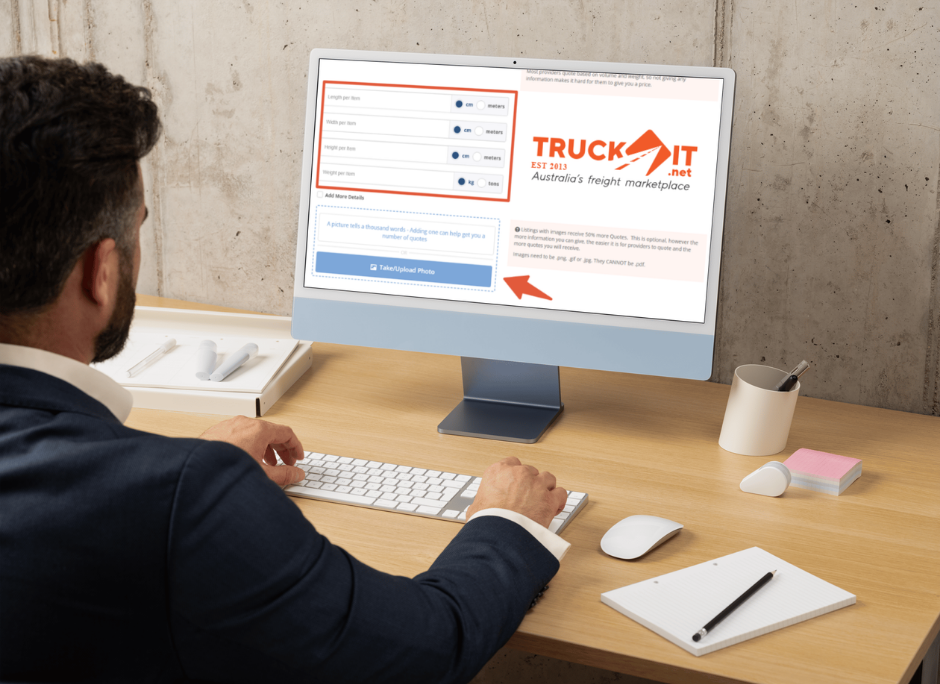
Shipping freight shouldn't be a gamble. In Australia, securing the best price isn't about picking the cheapest option—it’s about accuracy and transparency. Maximising value with Truckit.net starts with an accurate listing. By providing precise dimensions, clear photos, and flexible timing, you avoid surcharges and unlock competitive rates. Choosing the right service model, like depot-to-depot, can also significantly slash costs compared to standard deliveries. Finally, disclosing site constraints upfront ensures providers arrive with the correct equipment, eliminating futile trip fees. The following guide breaks down these four essential strategies to streamline your logistics and protect your budget. 1. Accuracy Saves You […]

As we wrap up 2025, I wanted to share some exciting updates on what we’ve been building to help your business grow and make your time on the road more profitable. Here is a look at what’s new and what you can expect in early 2026. What’s New (and What’s Coming Next) 🌐 API Integrations = More Leads We are now integrating with several external websites to direct even more traffic straight to Truckit. ⚡ ‘Book Now’ for the Furniture Category We’ve expanded our "Book Now" feature to the furniture category for our premium business customers. 🚀 Launching in 2026: […]
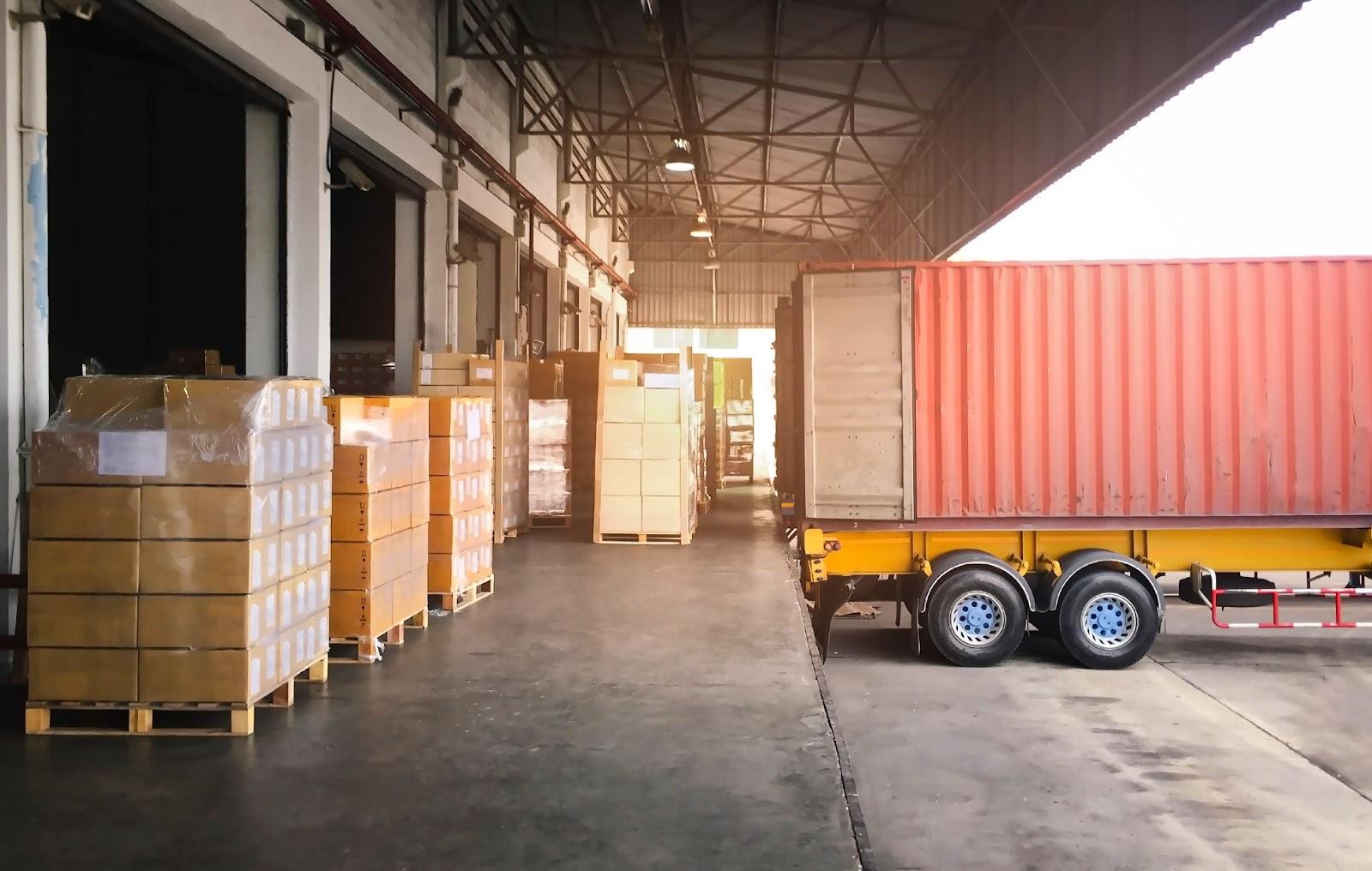
Key Takeaways Pallets might not be flashy, but they’re the backbone of freight and logistics. Whether you’re sending one item or a full truckload, chances are a pallet is doing the heavy lifting behind the scenes. But here’s the thing – not all pallets are the same. Pallet size, weight, and capacity can seriously impact how efficiently your goods are moved and how much it’s all going to cost. That’s why getting familiar with pallet dimensions isn’t just for warehouse professionals – it’s something every business (big or small) should know. A poor fit can mean wasted space, damaged goods, […]
