


The answer is - yes, you can!
Moving house is time-consuming and often associated with stress. But, have you thought about the stress that moving puts on the environment?
Australia’s changing climate represents a significant challenge to the environment, but moving home sustainably doesn't need to cost you the earth.
In this blog post, we're going to look at 4 tips that you can do to reduce environmental footprint during your next move.
To start fresh in your new place, make the conscious effort to declutter your items, and reduce waste by donating any unwanted items. This will save you money and will be a direct reflection of how much you need to move. Less clutter will also make it easier in setting up your new home.
Letting go of your unwanted items can help bolster a sustainable mindset, as well as, be donated to local shelters. This not only helps the environment, but also someone in need. Furthermore, if you want to sell your items online or through a garage sale, you will have some extra cash to put toward moving expenses!
2. Eco-friendly packing
After you declutter, having less items to pack means using less resources, tape, boxes and packing materials. When you begin packing, it’s crazy how many materials you need to move your items, which usually means more waste, causing higher rates of emissions.
Some eco-friendly at-home packing materials:
If you really need to use bubble wrap, try and source it second-hand!
3. Reduce your Carbon Footprint with backloads and shared loads
At Truckit, our truck drivers find the most optimal route from Point A to Point B. We care about the environment and aim to reduce the carbon footprint. To assist with this, some of our Transport Providers can offer a cheaper rate to deliver your freight on the return leg of their journey.
Alternatively, if you don't quite have a full truckload, transport providers will often move your goods in a shared load. This not only makes the trip more profitable and efficient, it ensures that unnecessary pollution is avoided.
4. Re-evaluate your Energy Provider
Moving presents an opportunity to reset and ensure your new home is as energy efficient and sustainable as possible. Before you call to transfer your current energy account, compare green energy options and current discounts. Look at installing water tanks and solar panels, and elect to receive paperless invoices and statements.
As a nation, Australia is responsible for about 1.2% of global emissions, omitting much more than our fair share. The vehicle carbon impact and waste production associated with moving house have significant environmental implications. However, taking these tips on board, you can limit that impact considerably. Move home without leaving a trail behind you!
Do you have any other eco-friendly moving tips? Let us know in the comments!

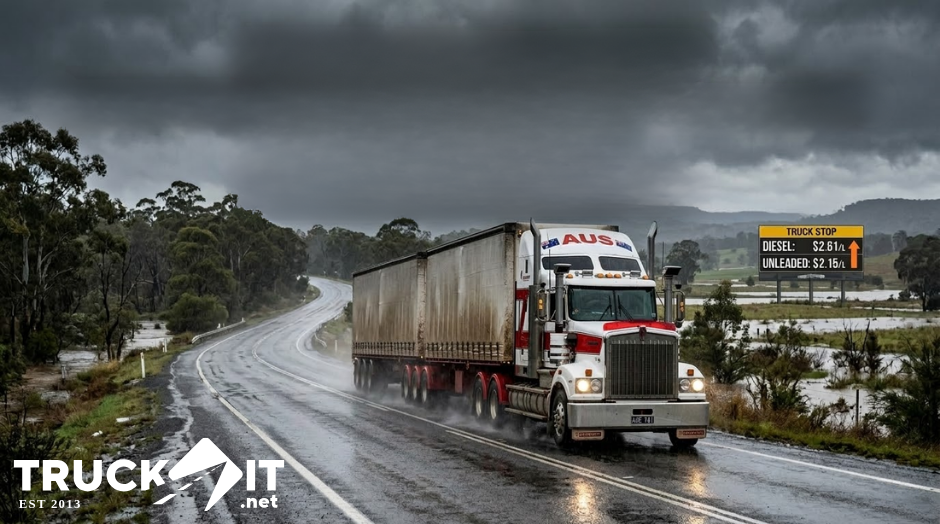
The Australian transport and logistics sector is currently facing a period of significant disruption. A combination of escalating operational costs and severe weather events has created a challenging environment for both transport providers and customers. To ensure transparency and help you manage your upcoming transport requirements, we would like to provide an overview of the factors currently influencing the market. Fuel Volatility and Supply Constraints The rising cost of fuel remains a primary driver of price adjustments across the industry. Beyond the increase in per-litre costs, sporadic fuel shortages in specific regions have added a layer of complexity to route […]
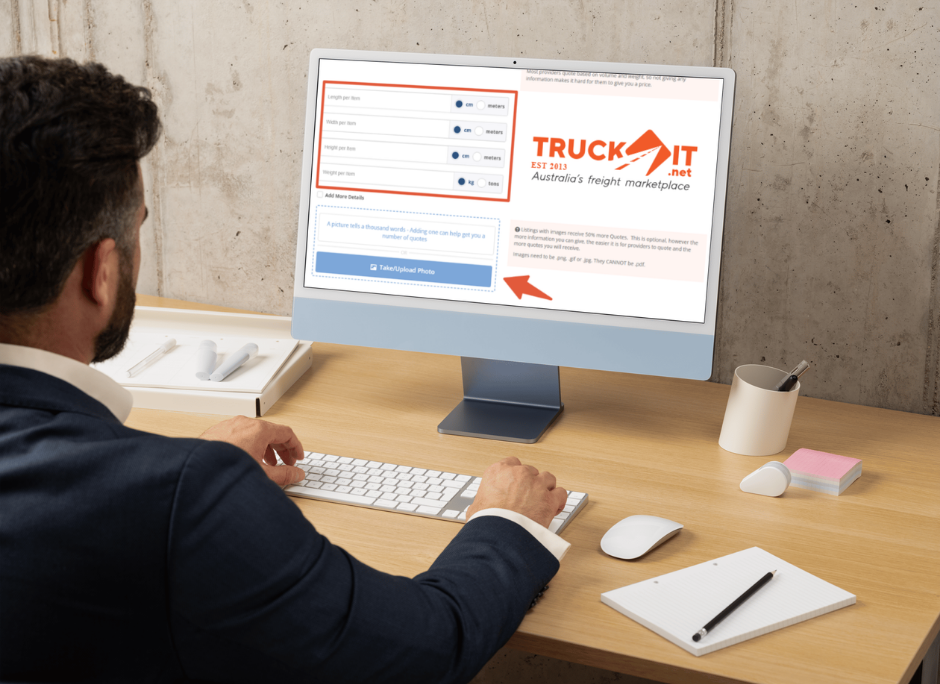
Shipping freight shouldn't be a gamble. In Australia, securing the best price isn't about picking the cheapest option—it’s about accuracy and transparency. Maximising value with Truckit.net starts with an accurate listing. By providing precise dimensions, clear photos, and flexible timing, you avoid surcharges and unlock competitive rates. Choosing the right service model, like depot-to-depot, can also significantly slash costs compared to standard deliveries. Finally, disclosing site constraints upfront ensures providers arrive with the correct equipment, eliminating futile trip fees. The following guide breaks down these four essential strategies to streamline your logistics and protect your budget. 1. Accuracy Saves You […]
As we wrap up 2025, I wanted to share some exciting updates on what we’ve been building to help your business grow and make your time on the road more profitable. Here is a look at what’s new and what you can expect in early 2026. What’s New (and What’s Coming Next) 🌐 API Integrations = More Leads We are now integrating with several external websites to direct even more traffic straight to Truckit. ⚡ ‘Book Now’ for the Furniture Category We’ve expanded our "Book Now" feature to the furniture category for our premium business customers. 🚀 Launching in 2026: […]
