


One of the most common answers Truckit gets asked by customers is "How much does it cost to transport a car?" The simple answer is, it depends... But thanks to our handy guide below you will be able to take a lot of the guess work out of comparing quotes and make an informed decision on which transport option is best for you.
What kind of vehicle are you moving?
Smaller cars like sedans or hatchbacks will obviously be less expensive to transport than larger vehicles like 4WDs or SUVs. This is important to consider when comparing quotes from different car transport companies.
Do you want a Depot to Depot or Door to Door service?
Choosing a 'Depot to Depot service, where you must drop off and collect your car from the transport company's depot facilities can save you money, however it may not be available in every location or with every transport provider. Some providers may offer a Door to Door car transport service for a cost that is similar or better than Depot to Depot.
Is your car empty or are there personal belongings inside?
Major car carrying companies will often not accept cars that have any personal belongings inside. Smaller car carriers may provide quotes for cars with goods inside, however most of the time the goods are transported at your own risk and not covered by insurance*.
Is your car drivable?
Drivable cars are much simpler for car carriers to transport as they can be driven onto the truck. However this does not mean non-drivable cars will not receive any quotes as Truckit.net has an extensive network of transport providers who can cater to almost all car transport needs.
Will my car be covered by insurance?
99% of car transport movements will go off without a hitch, but as with anything in life, it is good to know if you will be covered in the rare case that something goes wrong.
*This is general advice only, please check with your Transport Provider prior to accepting a quote to find out their policy around transporting goods in car.

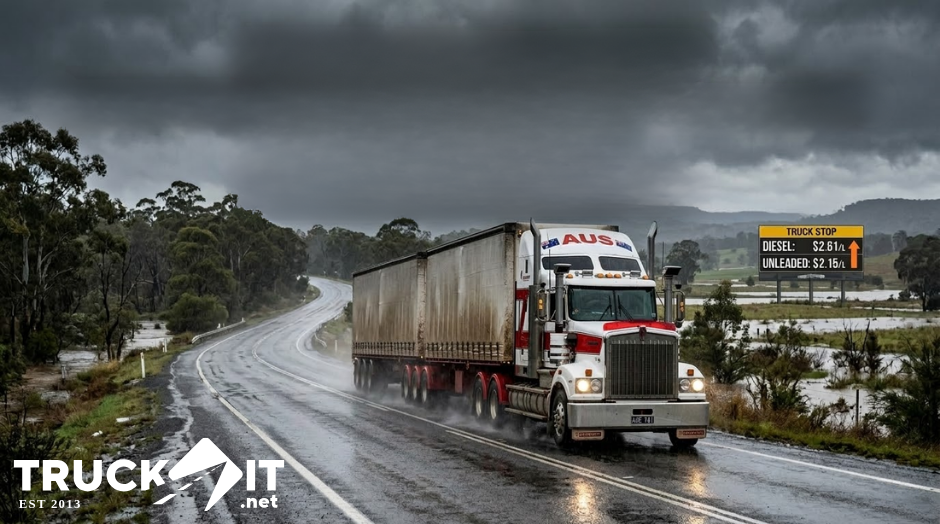
The Australian transport and logistics sector is currently facing a period of significant disruption. A combination of escalating operational costs and severe weather events has created a challenging environment for both transport providers and customers. To ensure transparency and help you manage your upcoming transport requirements, we would like to provide an overview of the factors currently influencing the market. Fuel Volatility and Supply Constraints The rising cost of fuel remains a primary driver of price adjustments across the industry. Beyond the increase in per-litre costs, sporadic fuel shortages in specific regions have added a layer of complexity to route […]
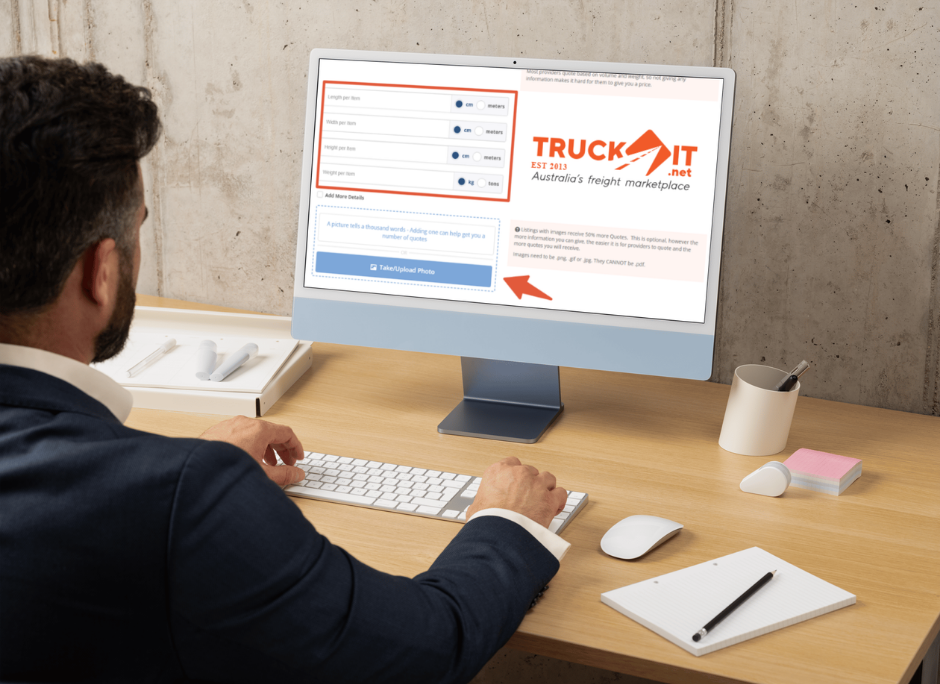
Shipping freight shouldn't be a gamble. In Australia, securing the best price isn't about picking the cheapest option—it’s about accuracy and transparency. Maximising value with Truckit.net starts with an accurate listing. By providing precise dimensions, clear photos, and flexible timing, you avoid surcharges and unlock competitive rates. Choosing the right service model, like depot-to-depot, can also significantly slash costs compared to standard deliveries. Finally, disclosing site constraints upfront ensures providers arrive with the correct equipment, eliminating futile trip fees. The following guide breaks down these four essential strategies to streamline your logistics and protect your budget. 1. Accuracy Saves You […]

As we wrap up 2025, I wanted to share some exciting updates on what we’ve been building to help your business grow and make your time on the road more profitable. Here is a look at what’s new and what you can expect in early 2026. What’s New (and What’s Coming Next) 🌐 API Integrations = More Leads We are now integrating with several external websites to direct even more traffic straight to Truckit. ⚡ ‘Book Now’ for the Furniture Category We’ve expanded our "Book Now" feature to the furniture category for our premium business customers. 🚀 Launching in 2026: […]
